
Care
How to Flush a Water Heater
How to flush a water heater: turn off the gas or power, let the hot water cool, drain the tank through its valve, flush until clear, then refill completely before restarting.
Compiled by the Tank & Tankless desk · Revised
On this page
At a glance
- A. O. Smith's gas Use & Care Guide says to drain and flush after the first 6 months, then at least once a year.
- The same maker's electric tank instructions recommend draining and flushing every 6 months.
- DOE Energy Saver (archived) lists a quicker routine: drain about a quart from the tank every 3 months.
- Sediment comes from minerals in tap water; USGS notes heated hard water forms calcium carbonate deposits.
- Never restart a heater until the tank is full: power on dry elements destroys them, and the maker won't cover that damage.
- If the drain valve clogs and the tank won't empty, A. O. Smith's advice is to call a qualified person.
- 6 monthsFirst drain and flush on a new gas tankA. O. Smith
- 3 minRun a hot tap at full flow after refilling to purge airA. O. Smith
- 1 quartDOE's quick purge every three monthsDOE Energy Saver (archived)
- 10–15 yrsTypical storage tank lifeDOE Energy Saver (archived)
Why flush a water heater?
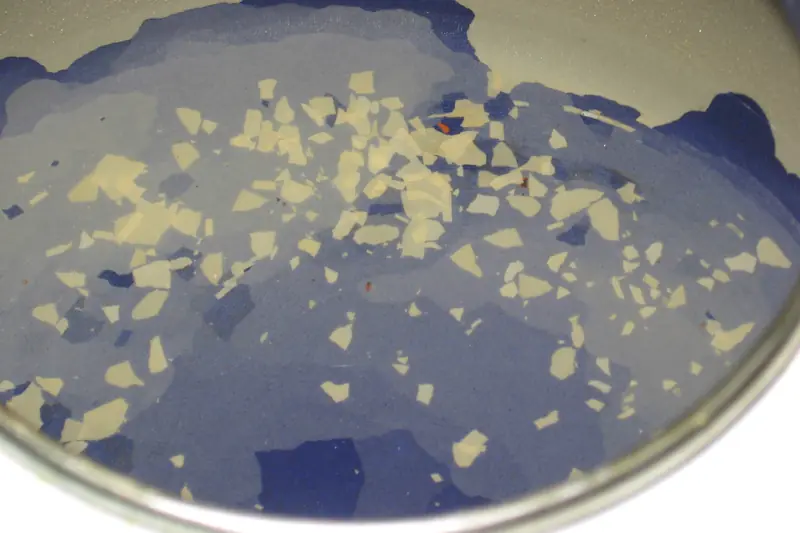
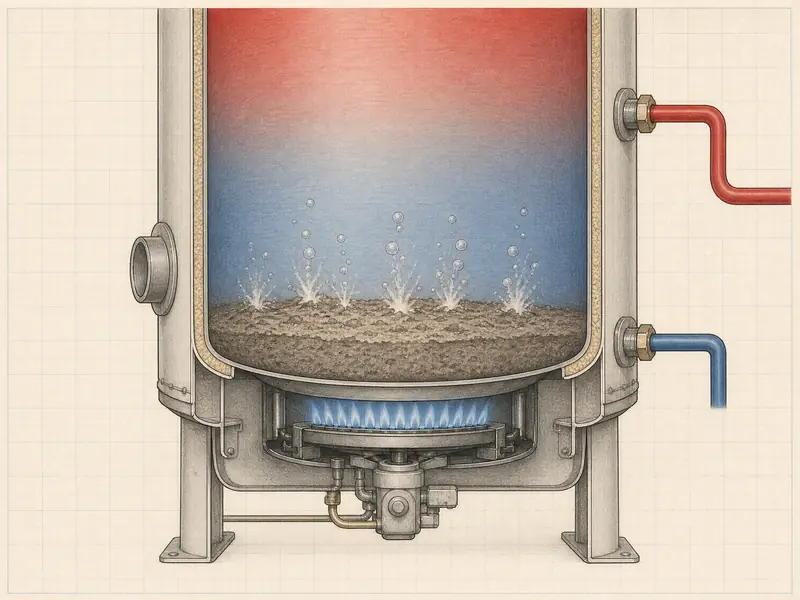
You flush a water heater to clear the mineral sediment that settles on the tank bottom. A. O. Smith's gas guide says the amount depends on how hard your tap water is, and that draining sediment extends the life of the tank and its drain valve. The same guide lists sediment or lime as a reason a tank gives less hot water than it used to, and says heavy deposits can damage the heater.
Sediment is also a common source of noise. A. O. Smith's electric instructions say a buildup on the tank bottom makes varying noise and may lead to early tank failure. The fix it gives is the same: drain and flush. For the rumbling and popping sounds themselves, see water heater noises.
Hardness drives the rate. USGS explains that heating hard water forms solid calcium carbonate, and that this scale can shorten equipment life and raise heating costs. Homes on hard water need to flush more often; the hard water guide shows how to read a hardness test.
How often should you flush a water heater?
Flush a water heater at least once a year, or as often as its manual says. Makers differ, so the manual on your model wins.
| Source | What it says | Notes |
|---|---|---|
| A. O. Smith, gas tanks | Drain and flush after 6 months, then at least annually | First flush shows how fast sediment builds |
| A. O. Smith, electric tanks | Drain and flush every 6 months | Same visit can include element and anode checks |
| DOE Energy Saver (archived) | Drain a quart every 3 months | A quick purge, not a full flush |
| CDC, rental-home guidance | Flush per the manufacturer's recommendations | Part of Legionella prevention |
The six-month first flush has a purpose. A. O. Smith says it tells you how much sediment your water leaves, which sets the pace from then on. A lot of debris at six months means a shorter interval; a clean drain means once a year is likely enough.
DOE's archived storage water heater page suggests draining a quart every three months. That small purge clears loose grit near the valve but is not a substitute for the full drain the makers describe. The CDC's rental-home Legionnaires' guidance also tells owners to flush routinely according to the maker.
How do you flush a gas or electric water heater?
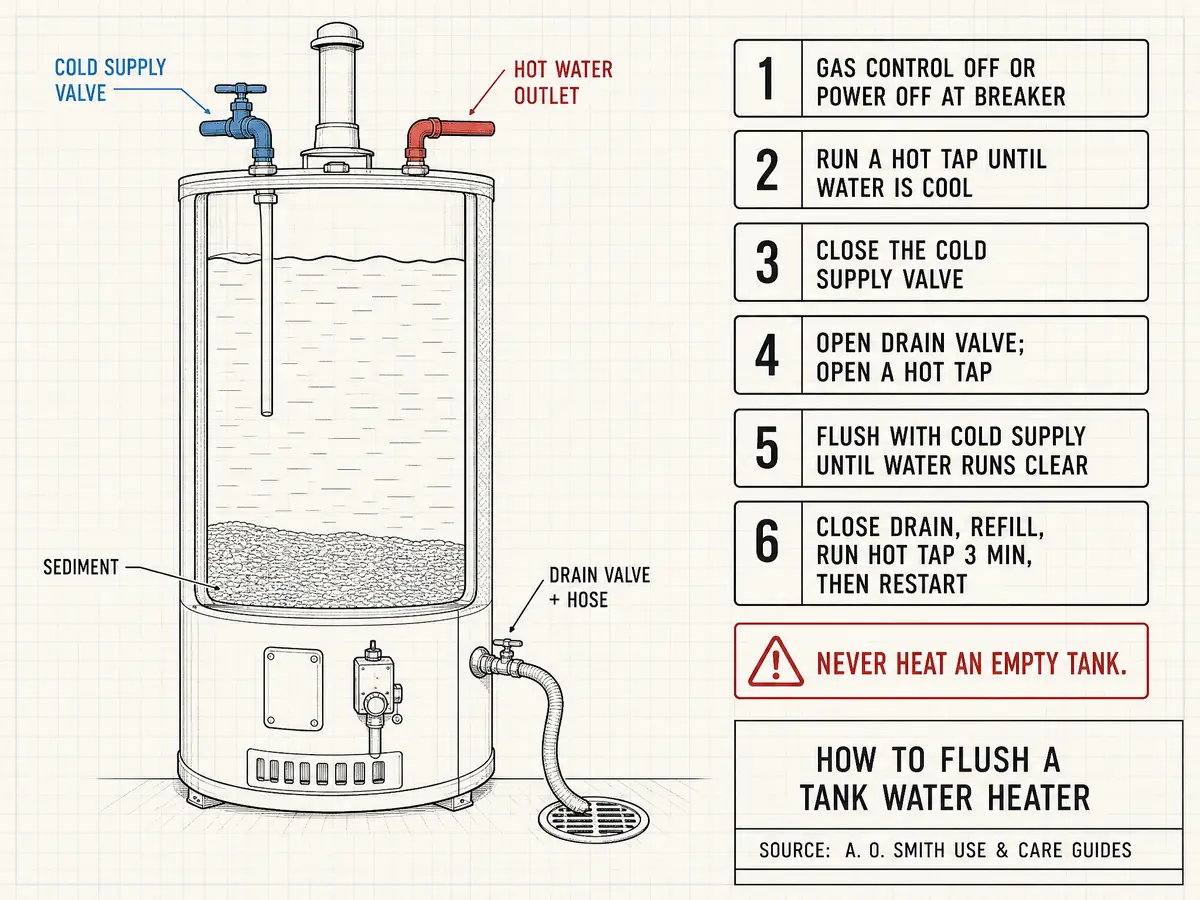
To flush a gas or electric tank, shut off the heat source, cool the water, drain through the bottom valve, flush, then refill fully before turning the heat back on. The steps below follow A. O. Smith's gas guide and electric instructions; check your own manual for model details.
- Turn off the heat. On a gas tank, turn the gas control knob to OFF and close the manual gas valve on the supply line. On an electric tank, switch off the circuit breaker.
- Cool the water. Open a hot faucet and let it run until the water is cool. Both A. O. Smith documents put this first to lower the scald risk.
- Close the cold supply valve on the pipe feeding the tank.
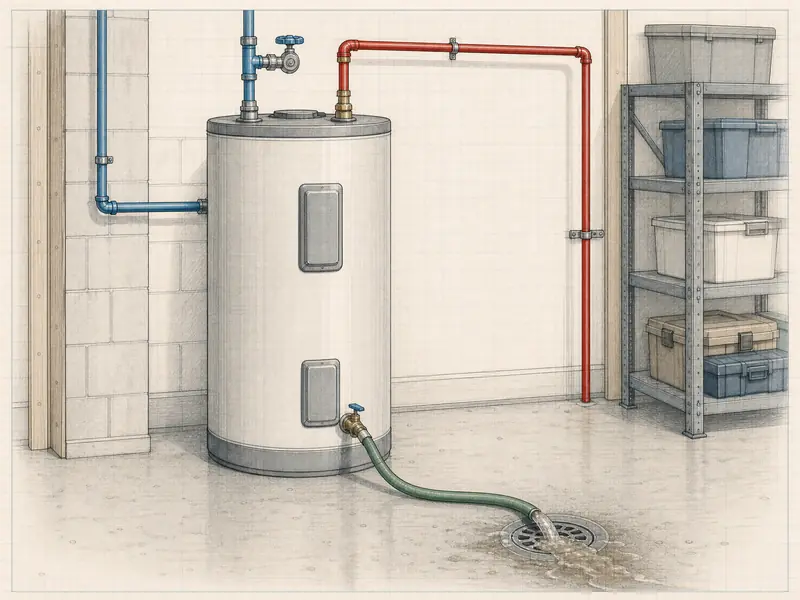
- Attach a garden hose to the drain valve and lead it to a floor drain, outdoors or into buckets.
- Open the drain valve, then open a hot faucet in the house so air can enter and the tank empties faster.
- Flush. If a lot of sediment came out, open the cold supply with the drain still open and let water run through until it drains clear. Then close the drain valve.
- Refill. With a hot faucet open and the drain closed, open the cold supply. A. O. Smith says to run the hot tap at full flow for at least three minutes so all the air is out.
- Restart. Relight or turn the gas control back on per the label, or switch the breaker back on. The gas guide notes a tank of cold water can take an hour or more to heat.
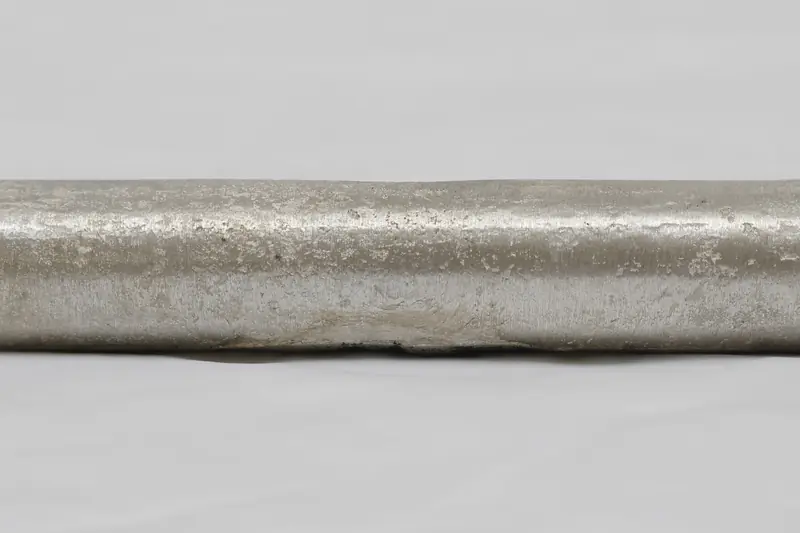
The refill step matters most on electric tanks. A. O. Smith warns that power applied to elements that aren't under water destroys them, and its warranty excludes that damage. Gas models carry a matching notice: don't light the burner until the tank is completely full. A drained tank is also a good moment to look at the anode rod, which the gas guide pairs with each flush.
What if the drain valve clogs?
If the drain valve clogs, the flow slows to a trickle or stops while the tank is still full. A. O. Smith's gas guide notes that sediment in the tank bottom may block the valve, and its advice when the tank will not drain is plain: contact a qualified person.
Close the cold supply before you troubleshoot so the tank isn't refilling, and keep the water cool. Forcing a stuck valve risks a drip that won't stop once the tank is full again. A licensed plumber can clear or replace the valve, and can judge whether heavy sediment points to a tank near the end of its life. If water appears around the base afterward, the leaking water heater guide covers where leaks start.
Should you flush an old water heater?
You can flush an old water heater, but expect a heavier load of sediment and a valve that may not cooperate. The same steps apply. Go slowly when opening and closing the drain valve, and stop if it leaks or won't seal again.
Age matters for the decision. DOE puts storage tank life at 10 to 15 years, and ENERGY STAR's replacement article suggests planning for replacement once a tank passes about 10 years, before a failure forces a rushed choice. A tank that has never been flushed in that time may drain cloudy for a long while. If it rumbles, leaks or runs out of hot water quickly, compare repair against the lifespan and replacement cost of a new unit.
How is flushing a tankless unit different?
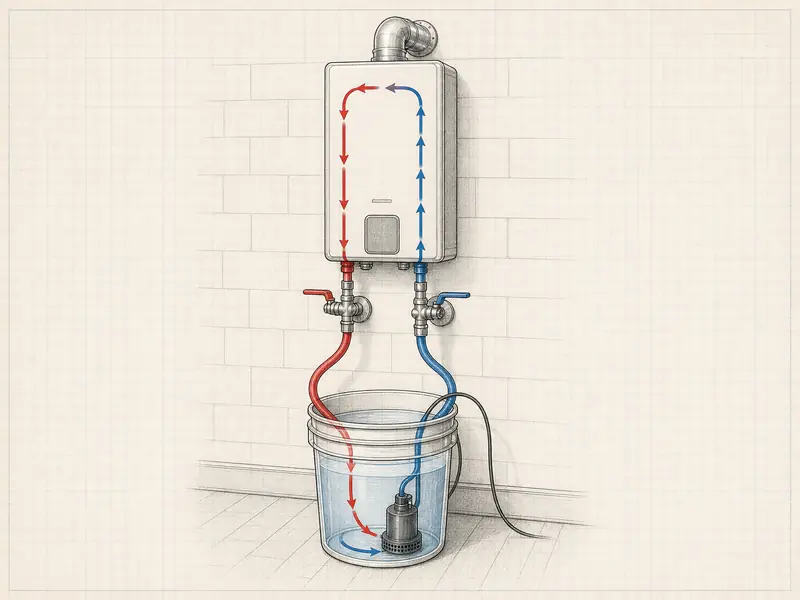
A tankless heater is not drained like a tank; it is descaled by pumping a cleaning solution through the heat exchanger. There is no tank to hold sediment, so the problem is scale coating the narrow passages instead.
Rinnai's flushing page calls for it at least once a year using undiluted white vinegar and a pump connected to the service valves. Navien describes a similar loop with a diluted cleaning solution for at least 45 minutes. The full procedure, kit list and timing are on the tankless descaling guide. For every other maintenance job by heater type, start at the water heater maintenance hub.
Sources and scope
What this page rests on: A. O. Smith's residential gas Use & Care Guide (June 2023) and residential electric installation instructions, DOE Energy Saver's archived storage water heater page, the USGS Water Science School page on hardness, the CDC rental-home Legionnaires' guidance, ENERGY STAR's replacement article, and Rinnai's and Navien's tankless procedures. All were opened in October 2026. Contractor price quotes, video tips, forum anecdotes and brand rankings were left out. Your model's manual overrides anything here.
Frequently asked
Do you need to turn off the water heater to flush it?
Yes. Turn a gas control to OFF and close the gas supply valve, or switch off the breaker on an electric tank, before draining. Restart only after the tank is completely full again.
How long does it take to flush a water heater?
Plan on one to two hours for a typical tank, most of it draining. A. O. Smith notes that reheating a tank of cold water can take an hour or more after the restart.
Can you flush a water heater without draining it completely?
Yes, partly. DOE's archived guidance describes draining about a quart every three months as a quick purge. It clears loose grit near the valve but not the settled layer a full drain removes.
What color should the water be when flushing?
It often starts cloudy, rusty or full of white or tan grit, then clears. Keep flushing with the cold supply open until the water from the hose runs clear.
Is it bad to never flush a water heater?
Skipping it lets sediment build up, which A. O. Smith links to lost hot water, noise and early tank failure. How fast that happens depends on how hard your water is.
Do heat pump water heaters need flushing?
Yes. A heat pump water heater stores water in a tank like any other, so the tank still collects sediment. Its manual will also list filter cleaning for the air side.
Do you really need to flush a water heater every year?
Most tank makers say yes, at minimum, and A. O. Smith suggests every six months on its electric models. Soft water may leave little sediment, which the first flush at six months will show.
Related reading
Start over at types of water heaters compared · more in Care