
Fix
Water Heater Making Noise: What It Means
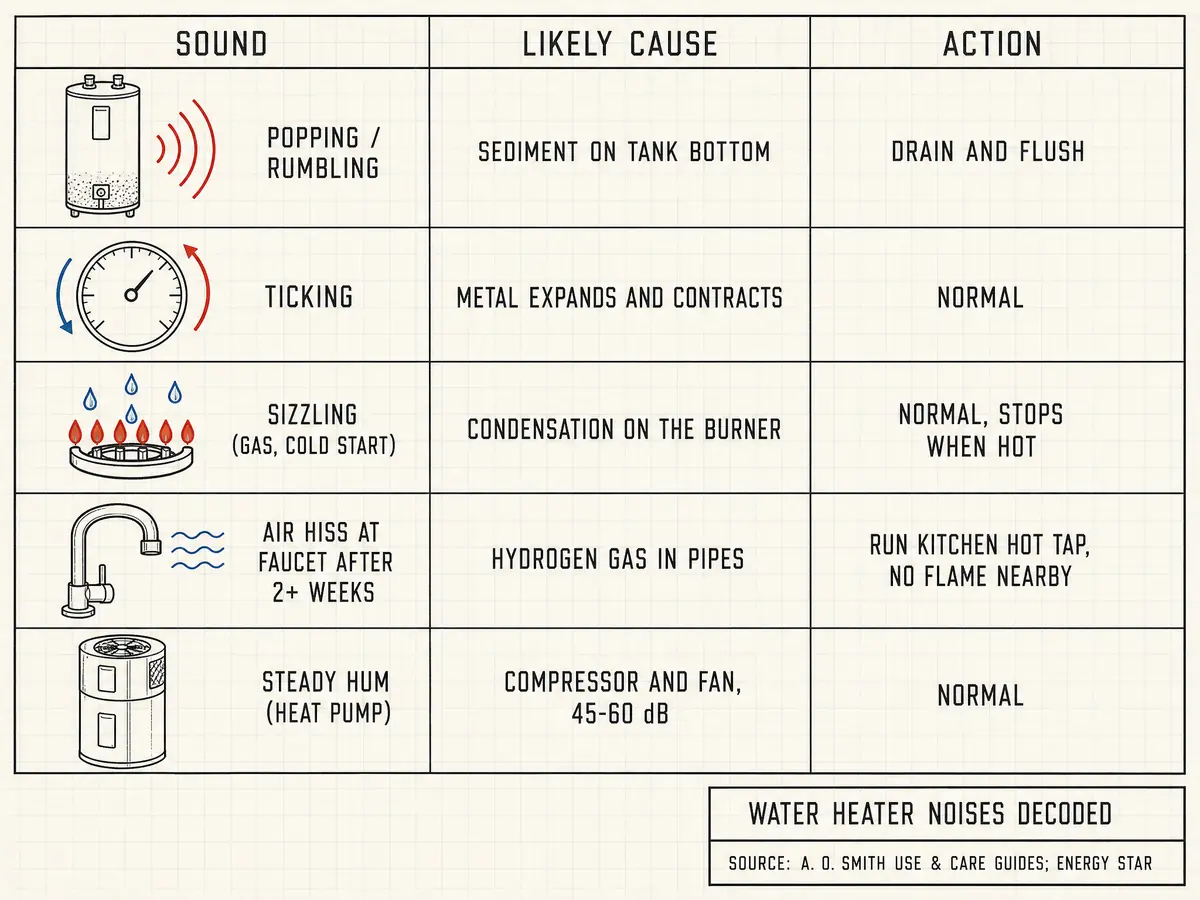
A water heater making noise is usually harmless: ticking is metal expanding, sizzling is startup condensation, and popping or rumbling is sediment on the tank bottom, which flushing removes.
Compiled by the Tank & Tankless desk · Revised
On this page
At a glance
- The A. O. Smith electric manual calls operating sounds "common" and names two causes: metal expanding and contracting, and sediment on the tank bottom.
- Sediment noise is worth acting on, since the same manual says the buildup "may cause premature tank failure." Draining and flushing is the fix.
- Hard water makes more sediment. USGS notes that heating hard water forms calcium carbonate deposits.
- Sizzling on a cold gas tank is condensation dripping on the burner and stops once the water is hot (A. O. Smith gas guide).
- An air-like hiss at a faucet after 2 or more weeks of no use can be hydrogen gas. Run the kitchen hot tap for several minutes with no flame nearby.
- Heat pump water heaters hum at about 45–60 dB, from a refrigerator to a window air conditioner (ENERGY STAR).
- 45–60 dBrunning sound of most new heat pump water heatersENERGY STAR
- 6 monthsfirst drain and flush on a new A. O. Smith gas tankA. O. Smith
- 2 weeksidle time after which hydrogen can collect in hot water linesA. O. Smith
- 180 mg/Lhardness above which USGS rates water very hardUSGS
Why is the water heater making noise?
A water heater makes noise because it heats and cools a large steel tank, and because minerals in the water settle where the heat is. A. O. Smith's electric manual describes operating sounds as common and names two sources: normal expansion and contraction of metal parts during heat-up and cool-down, and sediment on the tank bottom.
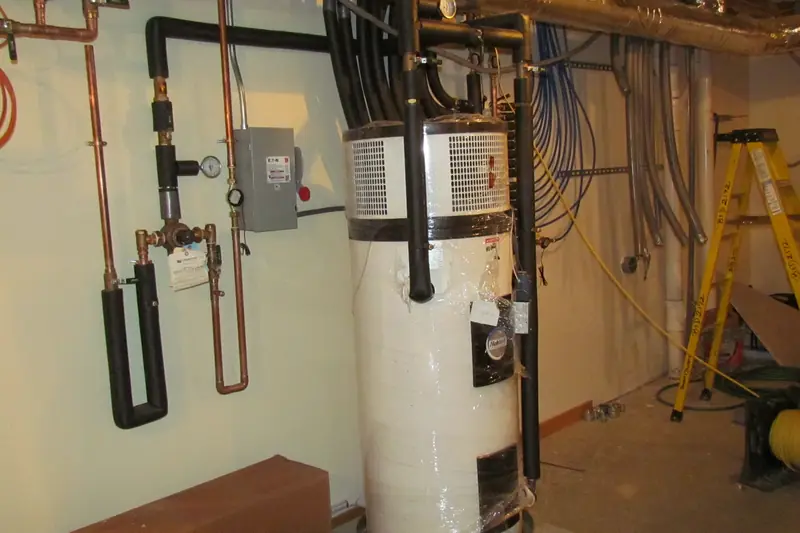
The type of heater shapes the sound. Gas tanks have a burner under the tank, so sediment there pops and rumbles as water trapped under it boils. Electric tanks heat from elements inside the water, and the lower element can end up buried in sediment. Tankless units click when they ignite and whir when the fan runs. Heat pump models hum like a refrigerator because they have a compressor and a fan.
Name the sound and note when it happens: during heating, after a tap closes, or all the time. That usually points to the cause faster than anything else.
Why does a water heater pop or rumble?
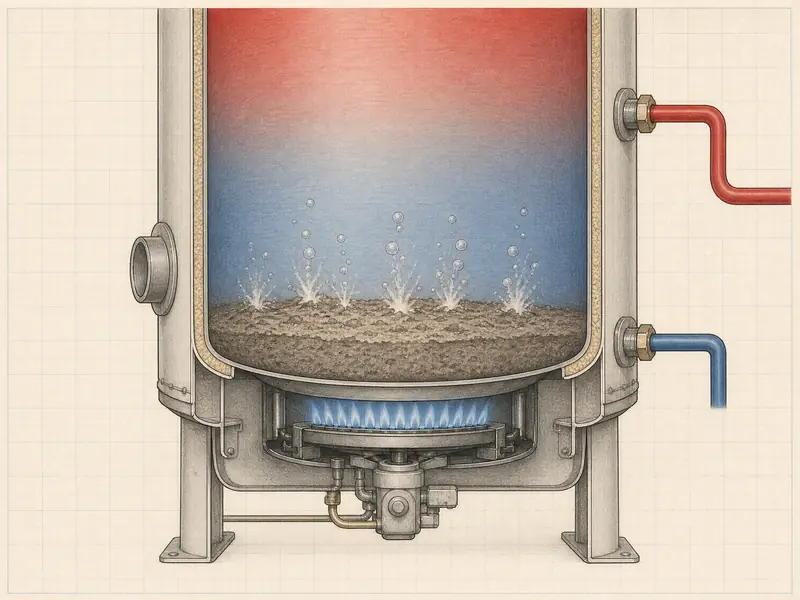
A water heater pops or rumbles because sediment has built up on the bottom of the tank. Water trapped under the layer flashes to steam when the burner or lower element fires, and the bubbles crack and rumble as they break free. The A. O. Smith electric manual says sediment "will create varying amounts of noise" and that the tank should be drained and flushed.
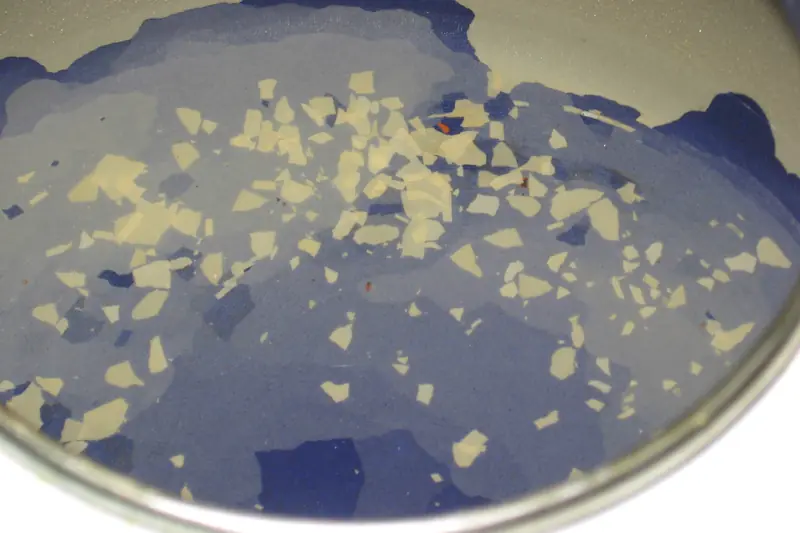
How fast sediment builds depends on the water. The A. O. Smith gas guide ties it to hardness, temperature setting and other factors. It asks owners to drain and flush after the first six months to see how much collects, then at least once a year. USGS classes water above 120 mg/L as calcium carbonate as hard and above 180 mg/L as very hard, and notes that heating hard water forms solid deposits. If your tank pops within a year or two of a flush, test your hardness (see hard water and water heaters).
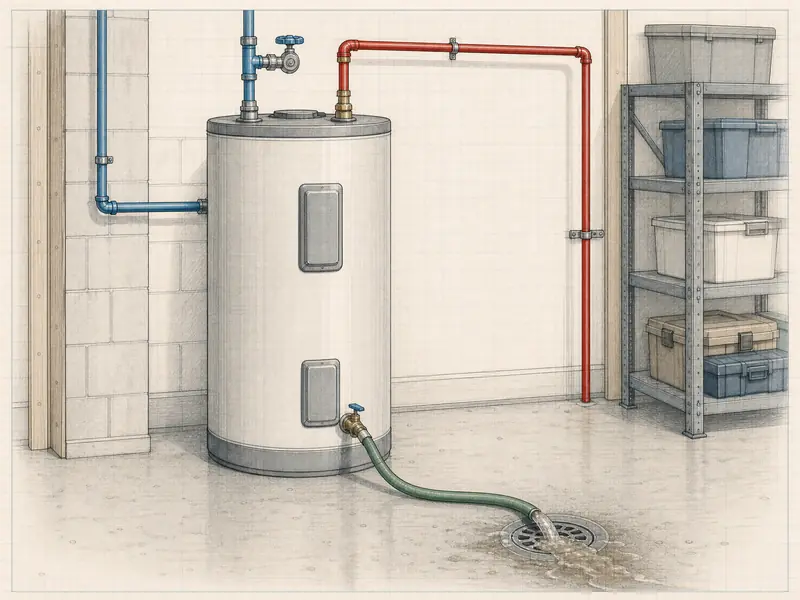
Flushing is a reasonable owner task on most tanks, with the gas set to OFF or the power cut and care around scalding water. The steps are on how to flush a water heater. Expect an older tank to stay a bit noisy. Hardened scale may not wash out, and heavy deposits can harm the tank, per A. O. Smith. DOE's quick routine of draining about a quart every three months can slow the buildup (DOE Energy Saver, archived).
Why does a water heater tick or knock?
A water heater ticks because its metal parts, pipes and fittings expand as they heat and contract as they cool. A. O. Smith lists this as a normal sound. The ticking is often loudest at the start and end of a heating cycle and along hot pipes running through joists.
Knocking or banging is different. A single bang in the pipes right after a faucet, dishwasher or washer valve shuts usually comes from the plumbing, not the heater. High house pressure makes it worse. A. O. Smith notes that some homes now exceed 100 psi and suggests a pressure reducing valve set to 50–60 psi. The same pressure problem can make the relief valve drip (see water heater leaking). A plumber can check the pressure with a gauge on a hose bib and look for loose pipe straps.
A knock from inside a gas tank while the burner runs is usually heavy sediment rather than metal movement. Treat it like rumbling and flush the tank.
Why does a water heater hiss or sizzle?
A water heater sizzles when condensation drips onto a hot burner. That happens on gas tanks when the tank is full of cold water: after a new install, a refill, or a long run of hot water. The A. O. Smith gas guide says you may hear drips or sizzling and see a small puddle, and that it goes away once the tank reaches operating temperature. It is not a leak.
Hissing has several possible sources, and some matter more than others:
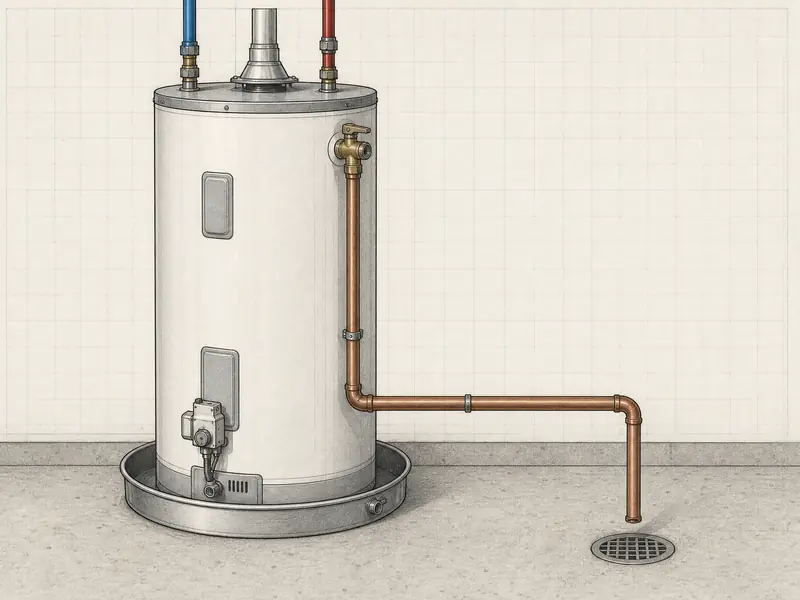
- At the relief valve or its pipe. The T&P valve is releasing water or steam. A small drip usually means high pressure or a missing expansion tank. A large flow of very hot water means the tank may be overheating, so turn off the gas or power and call a qualified person.
- At a faucet after the house sat empty. A. O. Smith warns that hydrogen gas can build up when hot water is not used for two weeks or more, and you may hear "air" escaping as the tap opens. Run the kitchen hot faucet for several minutes before using appliances on the hot line, with no smoking or flame nearby.
- At a gas fitting. A hiss that comes with a gas smell is an emergency. Leave the appliance alone, touch no switches and call the gas supplier from a neighbor's phone.
Is a humming heat pump water heater normal?
Yes, a humming heat pump water heater is normal. It has a compressor and a fan, like a refrigerator. ENERGY STAR says most new models produce 45 to 60 decibels while running, roughly from a kitchen refrigerator (45 dB) to a window air conditioner (60 dB) (ENERGY STAR).
Placement shapes how loud it seems. A unit in a closet next to a bedroom will be heard; one in a basement or garage rarely is. If yours is louder than when new, check the air filter first. ENERGY STAR notes these heaters may need yearly maintenance, including filter cleaning (ENERGY STAR). Also check that the unit is level and the condensate line runs freely. Placement rules are on heat pump space and climate.
Tankless units have their own sounds: a click at ignition, the fan before and after firing, and sometimes a recirculation pump. Rinnai's manual says a pump that is too loud can sometimes be quieted by changing a speed setting (Rinnai SENSEI RX manual). A tankless unit that gets louder over time in a hard-water area may need descaling (see descaling a tankless water heater).
| Heater type | Normal sounds | Sounds worth acting on |
|---|---|---|
| Gas tank | Burner whoosh, ticking, sizzling on a cold start | Popping or rumbling (sediment), hiss with gas smell, roaring relief valve |
| Electric tank | Ticking, light hum from elements | Popping or rumbling (sediment), hissing at the T&P pipe |
| Heat pump | Compressor and fan hum, about 45–60 dB | Rattles, a rising hum (dirty filter or loose panel) |
| Tankless | Ignition click, fan, recirculation pump | Rising noise with scale buildup, repeated failed ignition |
When is a noisy water heater a warning sign?
A noisy water heater is a warning sign when the noise comes with heat, water or gas where they should not be. Act at once if you hear:
- Loud rumbling plus a relief valve releasing hot water. That can mean the tank is overheating. Shut off the gas or power and call a qualified person.
- Popping that keeps getting worse after flushing, together with rusty water or a wet base. The tank may be near the end of its life. DOE puts storage tank life at 10–15 years.
- Any sound with a gas smell. Do not touch switches or try to relight.
For most homes, though, a noisy tank needs maintenance, not replacement. If it is past 10 years old and also leaking or slow to heat, see the symptom index to weigh the next step.
Sources and scope
Built on A. O. Smith's residential manuals for gas (2023) and electric tanks, the Rinnai SENSEI RX manual, two ENERGY STAR heat pump pages, the USGS water hardness page and DOE's archived storage water heater page, all checked October 2026. Noise levels are ENERGY STAR's range, not measurements of any model. Left out: decibel claims for individual models, forum diagnoses and brand rankings.
Frequently asked
Why does my water heater make a popping noise when heating?
Popping during a heating cycle is the classic sign of sediment. Water trapped under the mineral layer boils in small bursts when the burner or lower element fires. Draining and flushing the tank usually quiets it.
Is a rumbling water heater dangerous?
Rumbling from sediment is not dangerous by itself, but A. O. Smith warns that sediment buildup may cause early tank failure. Rumbling while the relief valve dumps very hot water is different: shut off the heat source and call a qualified person.
Why does my water heater make noise when not in use?
Between heating cycles, the tank and pipes cool and contract, which can tick. A pilot light or a heat pump compressor running to restore temperature also makes sound. Constant hissing with no taps open points to the relief valve or a leak.
Why does my electric water heater crackle?
Crackling on an electric tank usually comes from sediment or scale on the lower element, where water boils against the deposits. Flushing helps; if the element is heavily coated, a pro may replace it. Turn off power first and never energize an element that is not under water.
Will flushing stop water heater noise?
Flushing usually reduces popping and rumbling from loose sediment. Hard scale stuck to the tank bottom may not come out, so an older tank can stay somewhat noisy. Flushing does nothing for ticking pipes or a heat pump's normal hum.
Why does a tankless water heater make a clicking noise?
Clicking at the start of a draw is the igniter and gas valve opening, and the fan may run before and after the burner fires. Repeated clicking without the burner lighting can mean low gas supply or an ignition fault, which is a job for a qualified technician.
Related reading
Start over at types of water heaters compared · more in Fix