
Section · Tank
Tank Water Heaters: How Storage Models Work
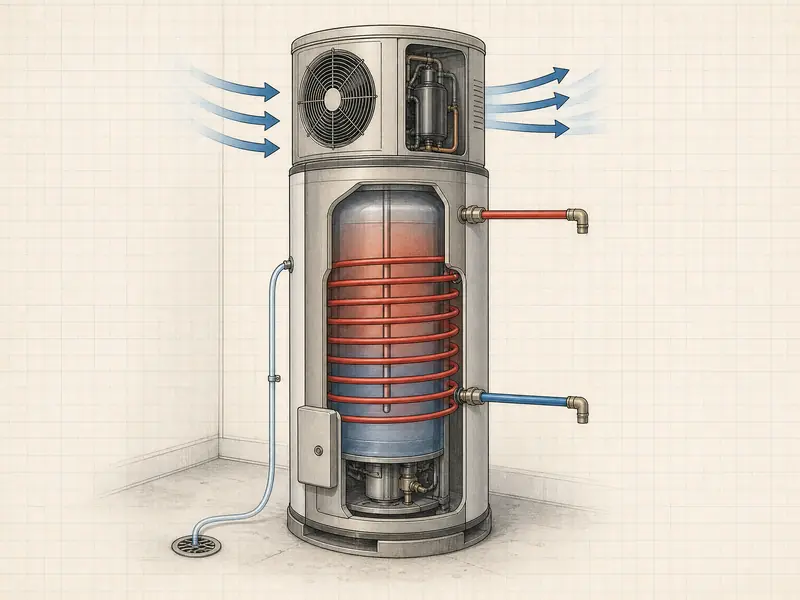
A tank water heater keeps 20 to 80 gallons hot and ready, refills from the bottom as you draw from the top, and typically lasts 10 to 15 years, per DOE.
Compiled by the Tank & Tankless desk · Revised
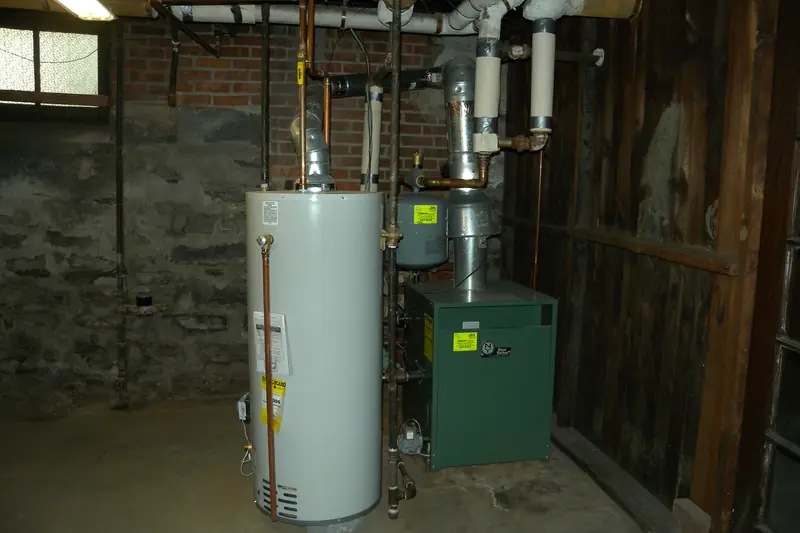
At a glance
- DOE puts single-family storage tanks at 20 to 80 gallons and their service life at 10–15 years (DOE Energy Saver, archived).
- ENERGY STAR says more than 80 percent of home water heaters are either standard electric resistance tanks or natural gas tanks.
- A tank is sized by its first-hour rating (FHR), which should at least match the household's busiest hour of hot water use.
- An ENERGY STAR gas tank uses 8% less energy than a standard one and trims about $25 a year from a four-person household's gas bill.
- New electric tanks built from May 6, 2029 (20–120 gallons, small models excepted) need heat pump efficiency; gas tanks face a moderate increase, and existing heaters are not affected.
- DOE puts water heating at about 18% of a home's energy use.
- 20–80 galStorage range for single-family tanksDOE Energy Saver (archived)
- 80%+Share of home water heaters that are standard electric or gas tanksENERGY STAR
- 8%Energy cut from choosing an ENERGY STAR gas tank over a standard modelENERGY STAR
- May 6, 2029Compliance date for new federal tank minimumsFederal Register
How does a tank water heater work?
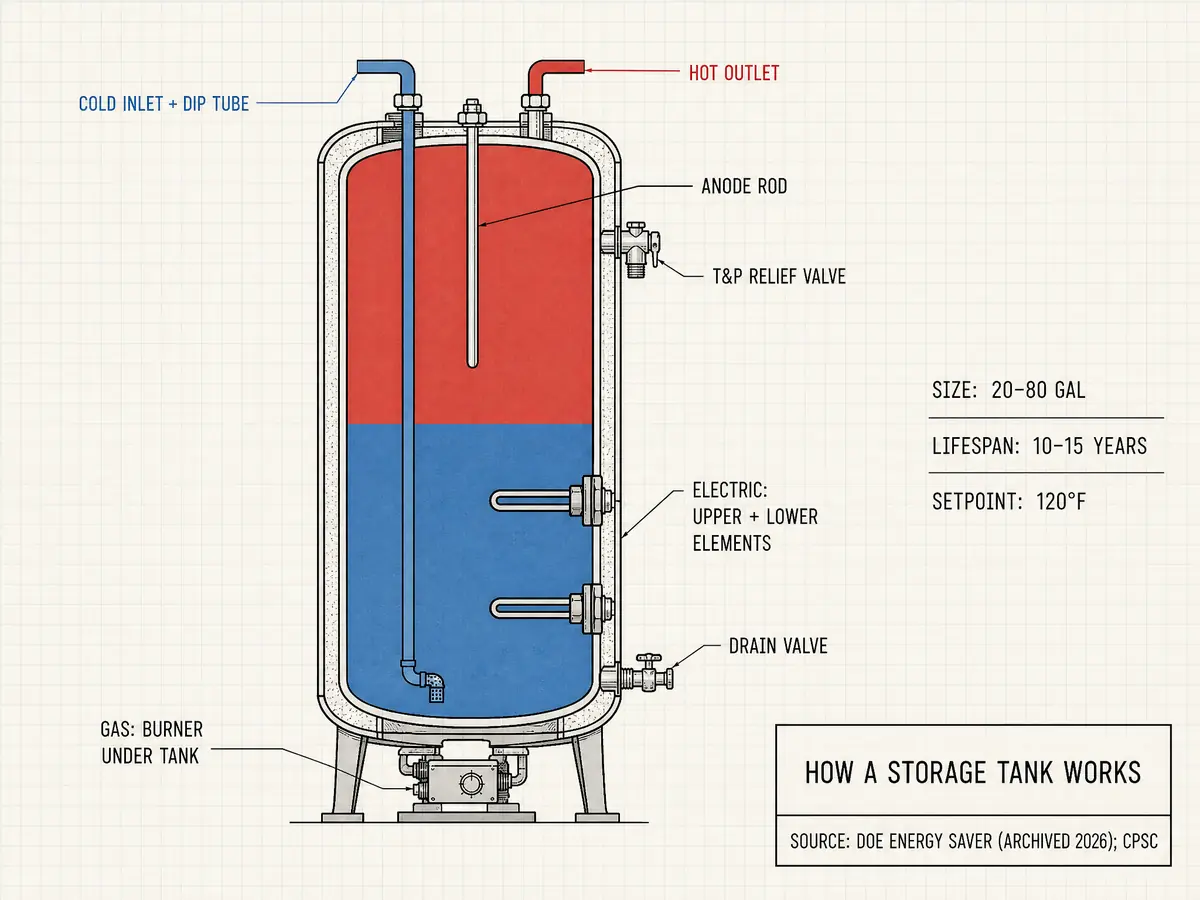
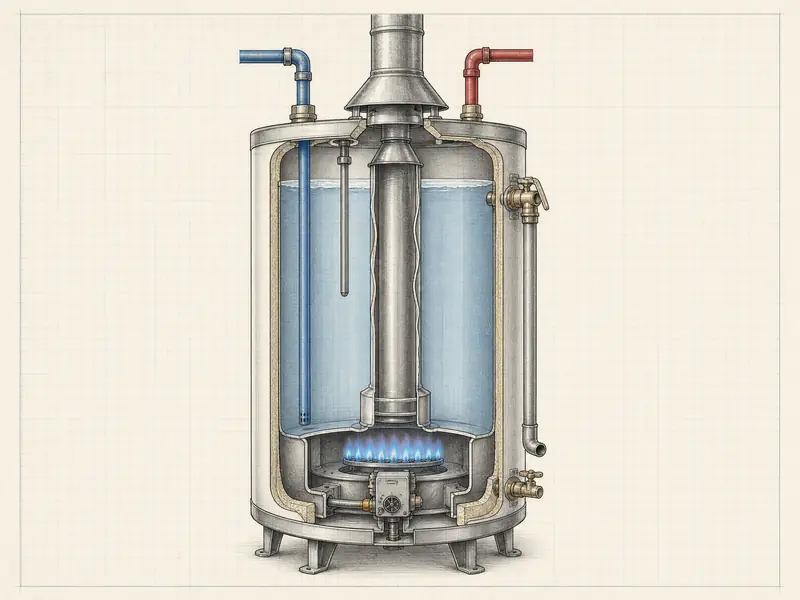
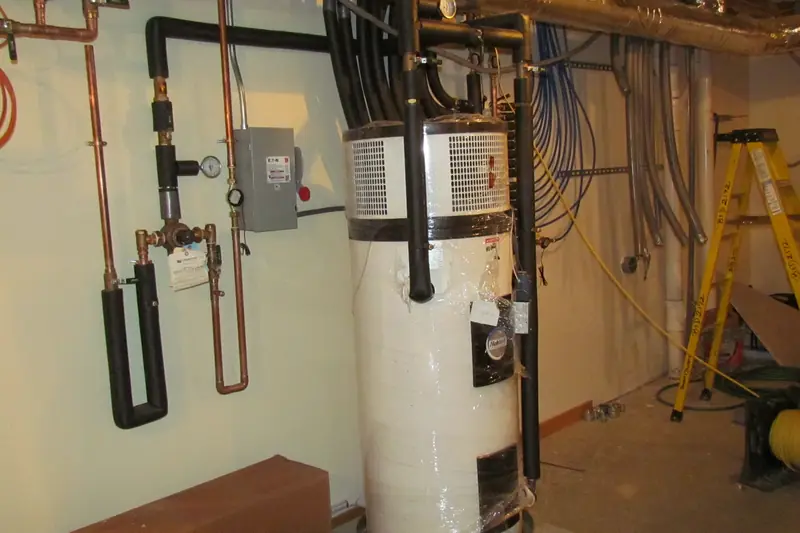
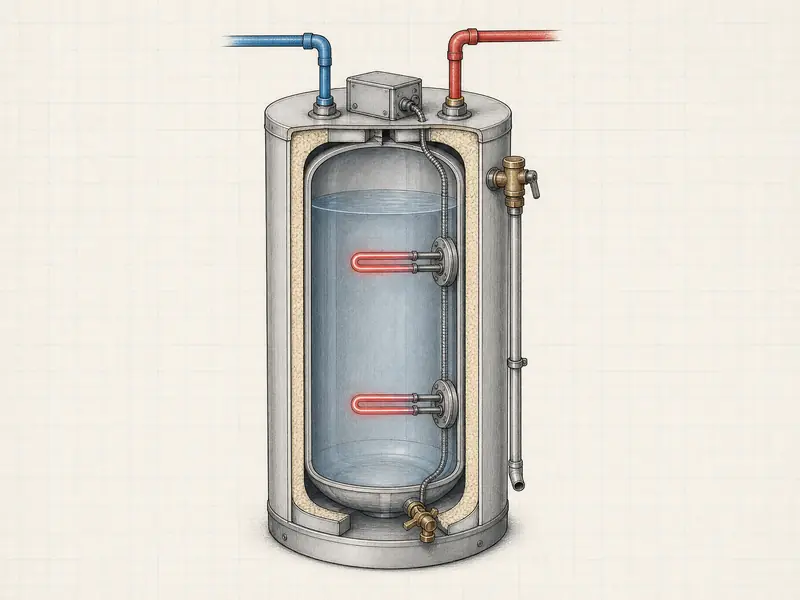
A tank water heater holds a full reservoir of water at its set temperature and releases hot water from the top whenever a tap opens. Incoming cold water is piped to the bottom by a dip tube, replacing what leaves, so the tank is never empty, as DOE's archived storage water heater page describes. A gas burner under the tank or electric elements inside it reheat the water as the thermostat calls for heat.
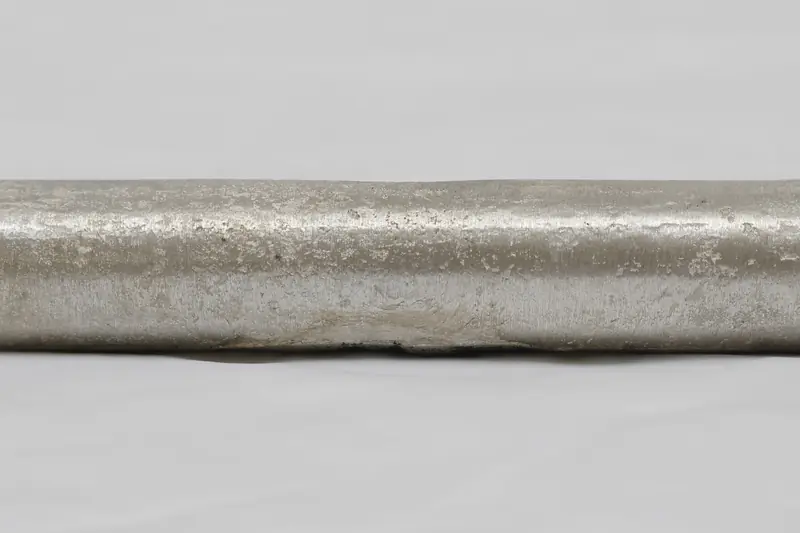
Fuels include natural gas, propane, fuel oil and electricity. Every tank also carries an anode rod that protects the steel shell from corrosion and a temperature and pressure (T&P) relief valve that opens if pressure or heat climbs too high.
The cost of that ready supply is standby loss. The stored water slowly gives up heat to the room, so the heater burns fuel even when no tap is running. Only tankless designs avoid it entirely.
Gas or electric tank water heater?
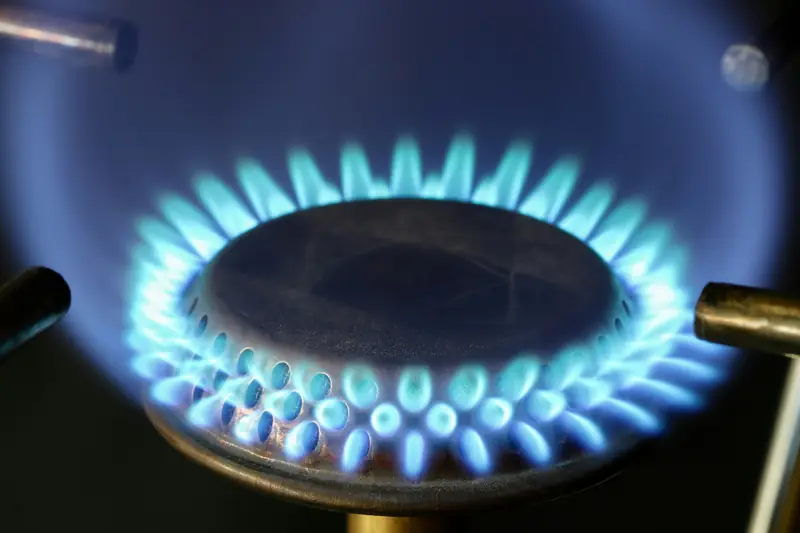
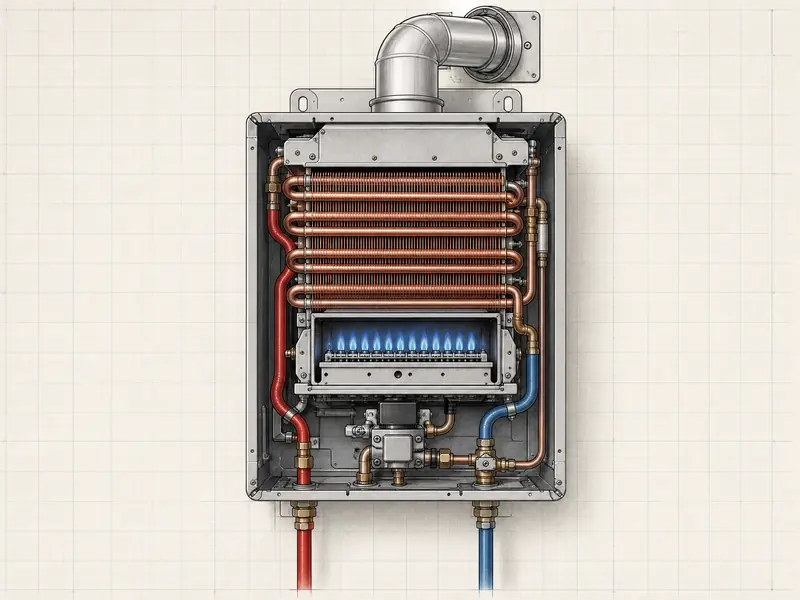
Choose by the fuel already at the heater's location: a gas tank needs a gas line and a vent, and an electric tank needs a dedicated 240-volt circuit. ENERGY STAR's quick test is the top of the tank: a round exhaust vent of 3 to 4 inches points to gas or propane. Gas tanks lose some heat up the flue, while electric tanks have no venting loss but often pay more per unit of heat.
What size tank water heater do you need?
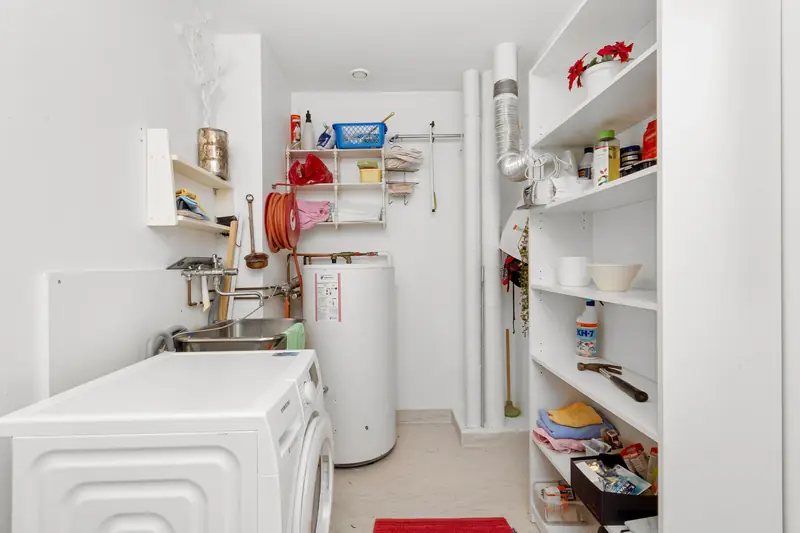
Size a tank by its first-hour rating, not its gallons: DOE's rule of thumb is an FHR no lower than the household's peak-hour demand. The FHR appears in the top left of the yellow EnergyGuide label as "Capacity (first hour rating)". DOE's worksheet counts 20 gallons per shower, 7 per dishwasher load and 25 per top-loading washer, so three showers, a shave and a sink of dishes add up to 66 gallons.
Bigger is not automatically better. DOE warns that an oversized unit costs more to buy and loses more heat on standby.
How efficient are tank water heaters?
Tank efficiency is rated as a uniform energy factor (UEF), and for a 50-gallon medium-draw tank the federal floor today works out to about 0.56 for gas and 0.92 for electric resistance. Those figures are derived from the volume formulas in 10 CFR 430.32. ENERGY STAR asks for 0.81 or more from a medium-draw gas tank of 55 gallons or less, which it reaches with better insulation, heat traps and more efficient burners.
A higher UEF does not always mean a lower bill across fuels, because gas and electricity are priced differently. DOE also suggests an R-24 or better tank on electric models so no add-on blanket is needed.
| Tank type | Federal minimum UEF today (50 gal, medium draw) | ENERGY STAR level | Typical lifespan |
|---|---|---|---|
| Gas storage | About 0.56 (derived) | 0.81 or more (55 gal or less) | 10–15 years |
| Electric resistance storage | About 0.92 (derived) | Not certified | 10–15 years |
| Heat pump (hybrid) storage | Rated as electric storage | 3.30 or more | 13–15 years |
What changes for tank water heaters in 2029?
New tanks made from May 6, 2029 must meet the standards DOE published in May 2024 (89 FR 37778). Most electric tanks of 20–55 gallons must reach a UEF of 2.30 and those over 55 up to 120 gallons 2.50, which in practice means heat pump designs. Small electric tanks of 20–35 gallons with an FHR under 51 gallons are excluded.
Gas tanks get a moderate increase that non-condensing designs, for example ones with flue dampers, can meet. Gas water heaters are not banned, and the heater already in a home is not affected. As of October 2026, no delay or repeal of the rule had been published.
How long does a tank water heater last?
A storage tank usually lasts 10 to 15 years, per DOE, against about 20 years for tankless units. ENERGY STAR advises planning a replacement once a heater passes 10 years, before a leak forces a rushed decision.
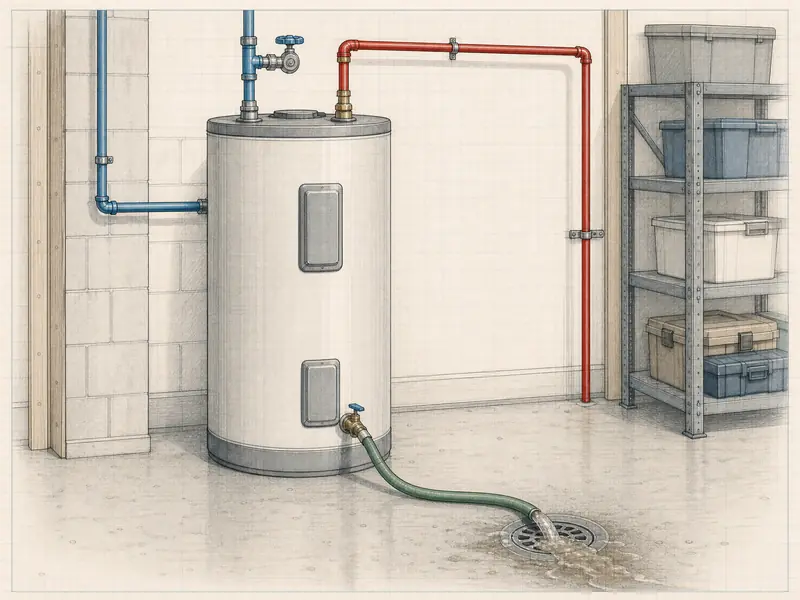
Care stretches the life of the steel tank. A. O. Smith's gas manual calls for draining and flushing after the first six months and at least once a year after that, plus an anode check on the same schedule. Softened water wears the anode faster, so check it yearly from the start in a softened home.
- BuyingLifespan and replacement cost
 CareHow to flush a water heater
 CareAnode rods: types and when to replace
 FixWater heater leaking: causes and checks
Sources and scope
Sources for this hub: archived DOE Energy Saver pages (May–July 2026 snapshots), the May 2024 federal rule (89 FR 37778), 10 CFR 430.32 as published on eCFR, ENERGY STAR product pages and A. O. Smith installation manuals, all checked in October 2026. The 50-gallon UEF floors are worked out from the federal formulas and marked derived. Left out: brand rankings, retail prices, contractor quotes and forum anecdotes.
Frequently asked
Is a 40-gallon tank enough for a family of five?
It depends on the busiest hour, not the head count. Add up that hour with DOE's worksheet (20 gallons a shower, 25 a top-load wash) and compare it with the FHR on the label; a 40-gallon tank with a strong burner or element can rate higher than a weak 50-gallon one.
Can a tank water heater run out of hot water?
Yes. Once the stored hot water is drawn down faster than the burner or elements can reheat it, the outlet temperature drops until recovery catches up. The first-hour rating tells you how much the tank can deliver in that first busy hour.
How do I tell whether my tank is gas or electric?
Look at the top. A round metal flue of about 3 to 4 inches means gas or propane; an electrical junction box with heavy wiring and no flue means electric.
Does a tank water heater need an expansion tank?
In a closed system, where a check valve or backflow preventer stops water flowing back to the main, heated water has nowhere to expand. A. O. Smith calls for a properly sized thermal expansion tank, and California's plumbing code requires one in that case.
Does a tank water heater need a permit to replace?
Often, yes; rules are local. In California, for example, San Diego requires a plumbing permit for original and replacement water heater installs.
Will my current tank become illegal in 2029?
No. The 2029 federal minimums apply to new heaters manufactured from May 6, 2029, not to heaters already installed or already made.
What temperature should a tank be set to?
DOE and the CPSC both point to 120°F. Higher settings raise scald risk and standby loss; homes with special health needs can store hotter water and fit a mixing valve.

Start over at every water heater type, side by side