
Section · Fix
Water Heater Not Working: Symptom Index
When a water heater is not working, start with the symptom: no hot water, a leak, a new noise or a smell. Each one has a short list of likely causes and a few safe first checks.
Compiled by the Tank & Tankless desk · Revised
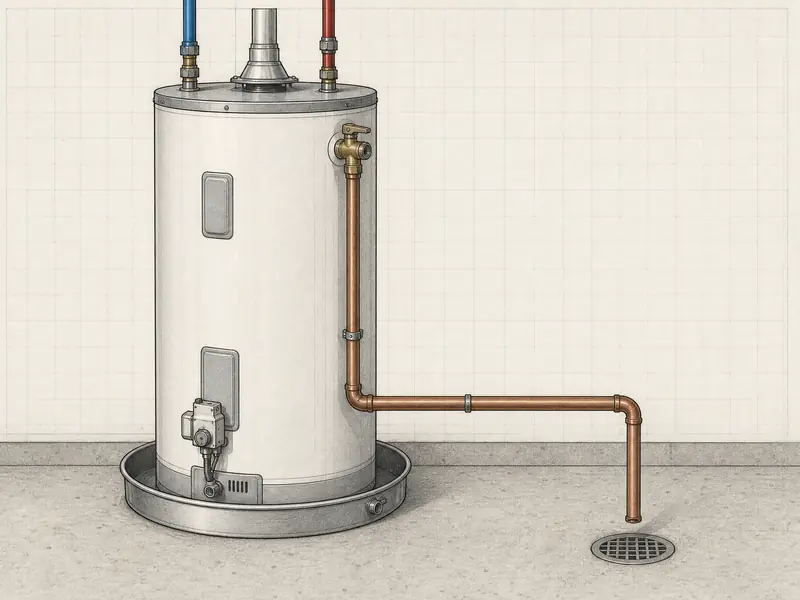
At a glance
- Most no-hot-water calls trace to the fuel or power supply, a pilot or safety shutoff, or, on tankless units, flow below the activation minimum (A. O. Smith gas guide).
- Most leaks are at fittings, not the tank. A. O. Smith: "Almost all leaks occur at connections and are not a tank leak."
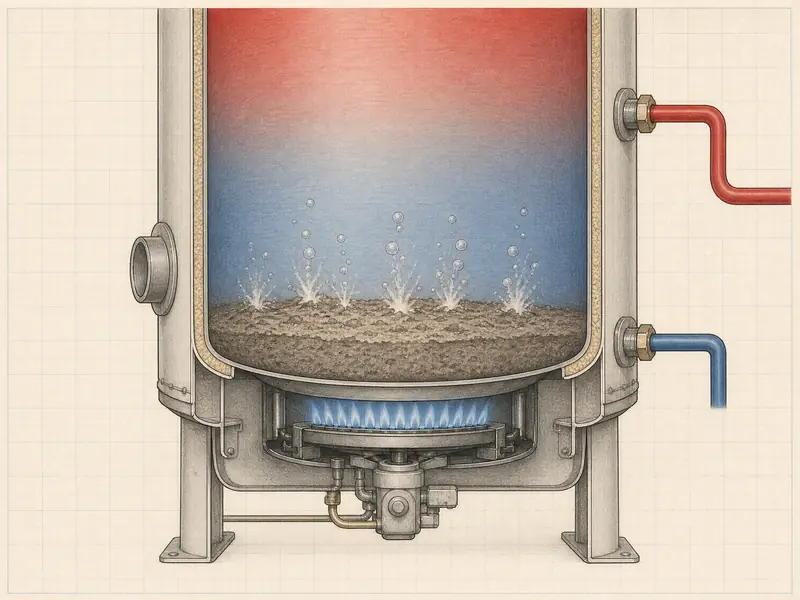
- Popping and rumbling mean sediment, which the A. O. Smith electric manual says can shorten tank life. Draining and flushing is the fix.
- A rotten-egg smell in the hot water only usually comes from the anode rod; if the cold water smells too, the source is the well (Penn State Extension).
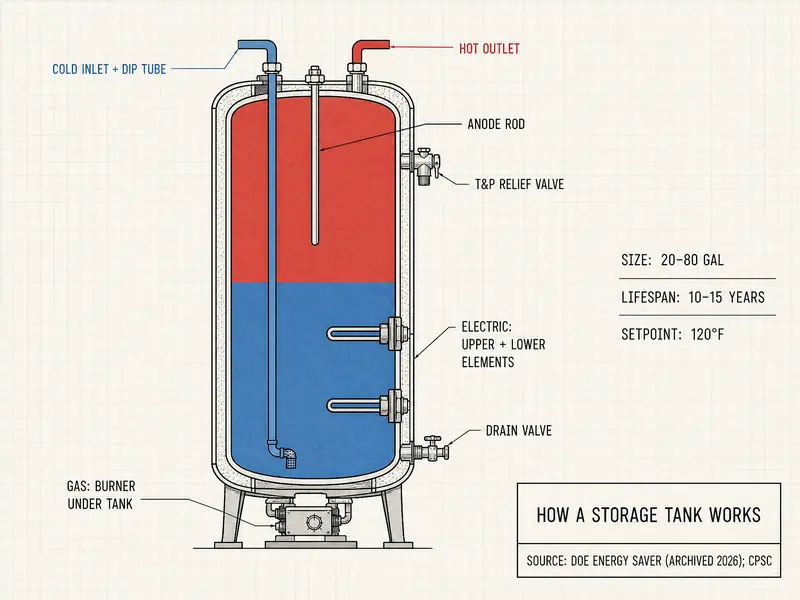
- DOE puts storage tank life at 10–15 years, and ENERGY STAR suggests planning a replacement once a tank is past 10 years old.
- If you smell gas, touch nothing: A. O. Smith says to call the gas supplier from a neighbor's phone.
- 10–15 yrtypical storage tank lifeDOE Energy Saver (archived)
- 20 yrhow long ENERGY STAR expects a tankless unit to lastENERGY STAR
- 13–15 yrtypical heat pump water heater lifeENERGY STAR
- $1,578gas storage heater, installed, as averaged in DOE's 2024 ruleFederal Register (DOE)
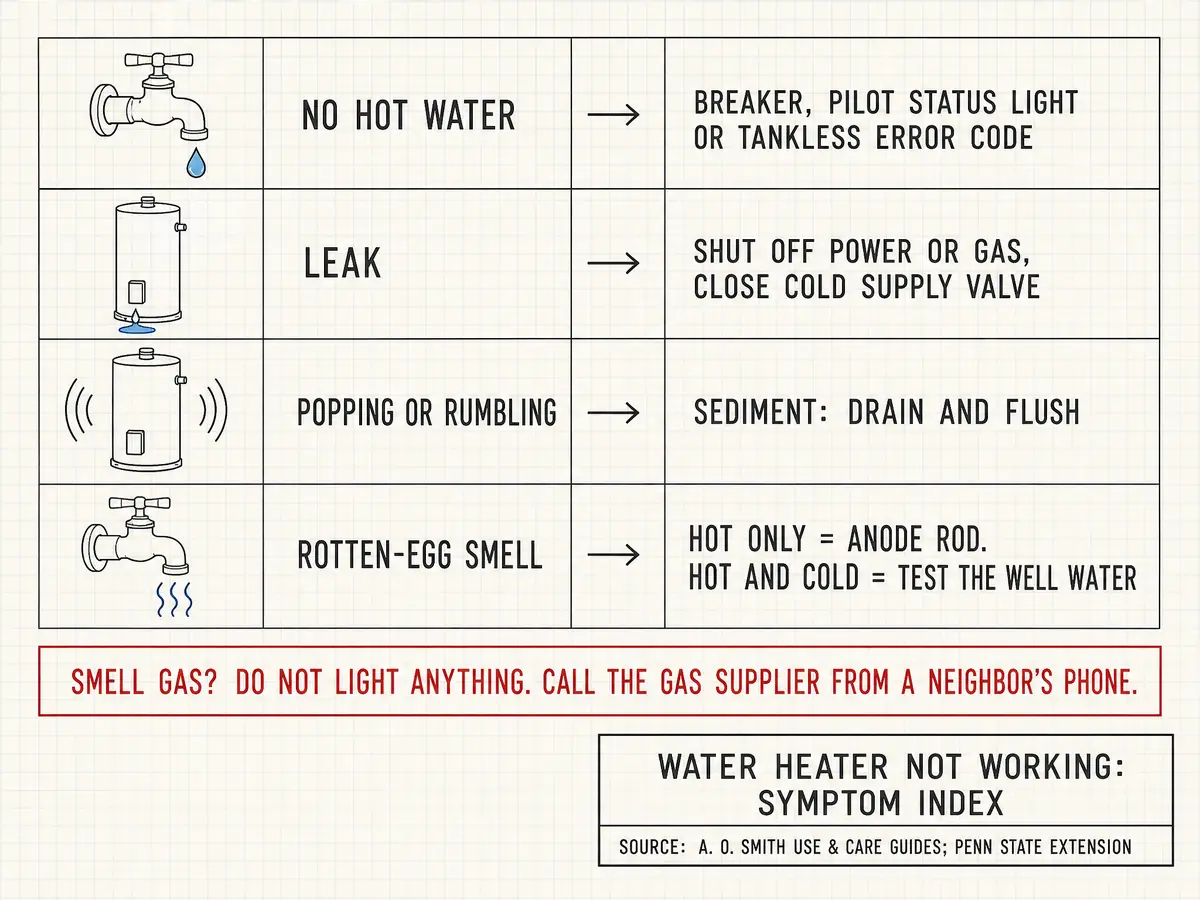
What should you check first when a water heater is not working?
Check the energy supply first: the breaker for an electric heater, the gas valve and pilot status light for a gas tank, and the power, gas and error code for a tankless unit. On the A. O. Smith gas control, a light flashing once every 3 seconds means normal operation. On A. O. Smith electric tanks, a red reset button restores power after the high-limit switch trips at 170°F. If a tankless unit stays cold, the flow may be too low: one maker needs 0.5 GPM to fire (American Water Heater).
Hot water that runs out quickly is a separate problem. The usual suspects are sediment, a failed lower element or a tank too small for the household.
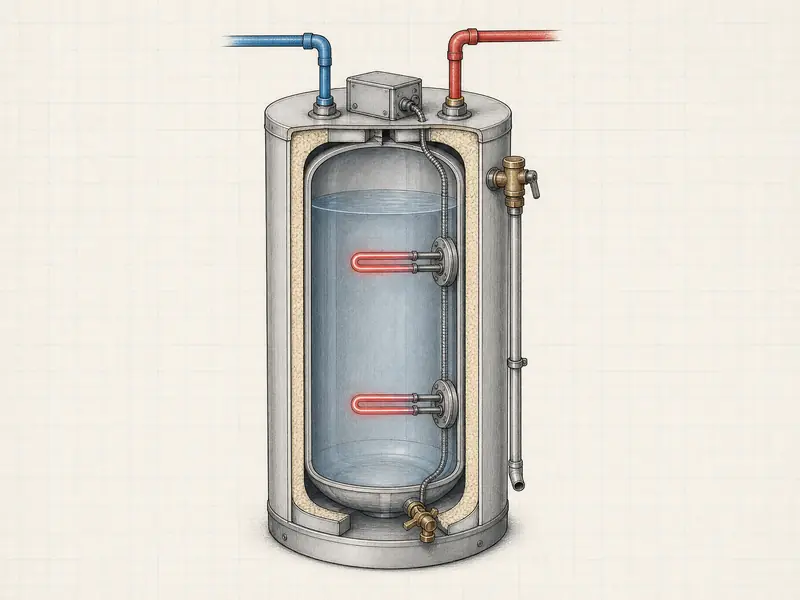
Is a water heater leak an emergency?
A water heater leak is an emergency when water is near wiring or the tank itself is seeping; a drip at a fitting is not. Either way, the first steps are the same: cut the breaker or turn the gas control off, and close the cold inlet valve. If the relief valve is releasing a lot of very hot water, the tank may be overheating; A. O. Smith's advice is to cut the energy supply and get a qualified person.
Most leaks are repairable parts: fittings, drain valves and relief valves. A dripping T&P valve usually points to house pressure above 50–60 psi or a missing expansion tank. Water from the tank body means replacement.
What do water heater noises mean?
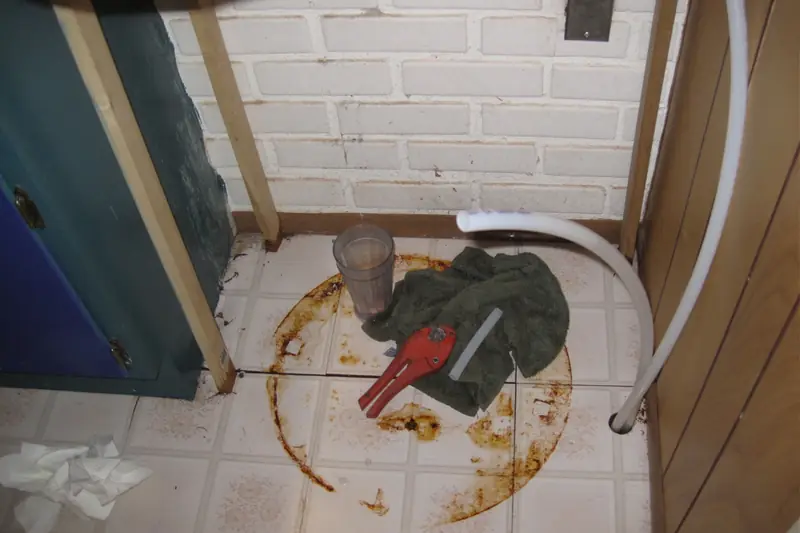
Water heater noises mostly mean normal expansion or sediment. A. O. Smith's electric manual lists two everyday sources: metal expanding and contracting, and sediment on the tank bottom. Ticking is the first and is harmless. Popping and rumbling are the second and call for a flush.
Gas tanks can sizzle on a cold start as condensation drips on the burner. Heat pump models hum at about 45–60 dB, roughly a refrigerator to a window air conditioner (ENERGY STAR).
Why does hot water smell?
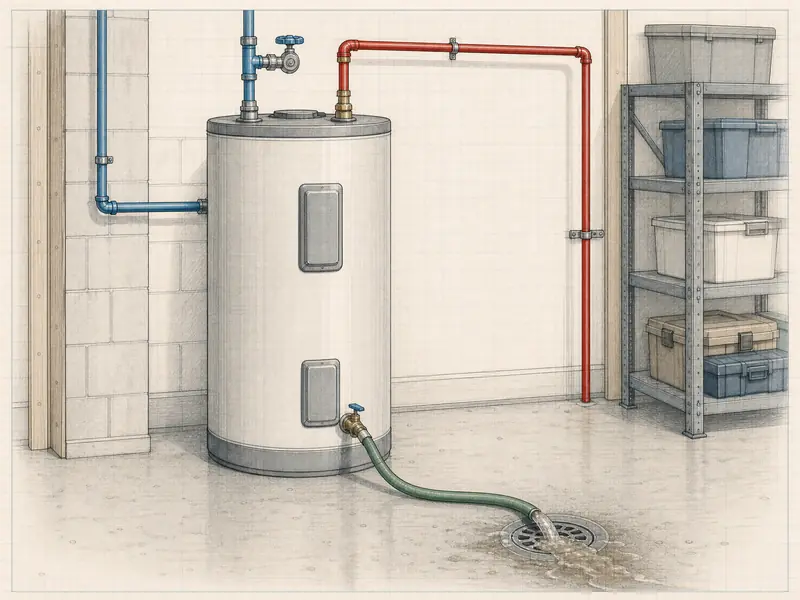
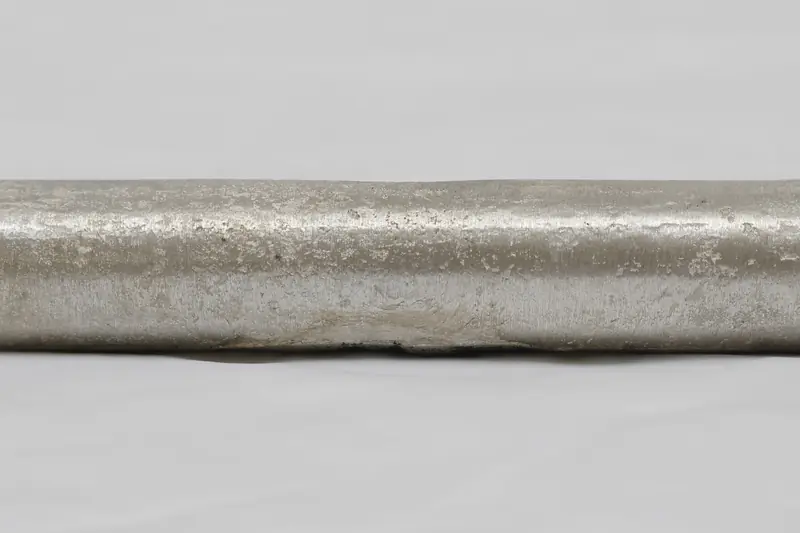
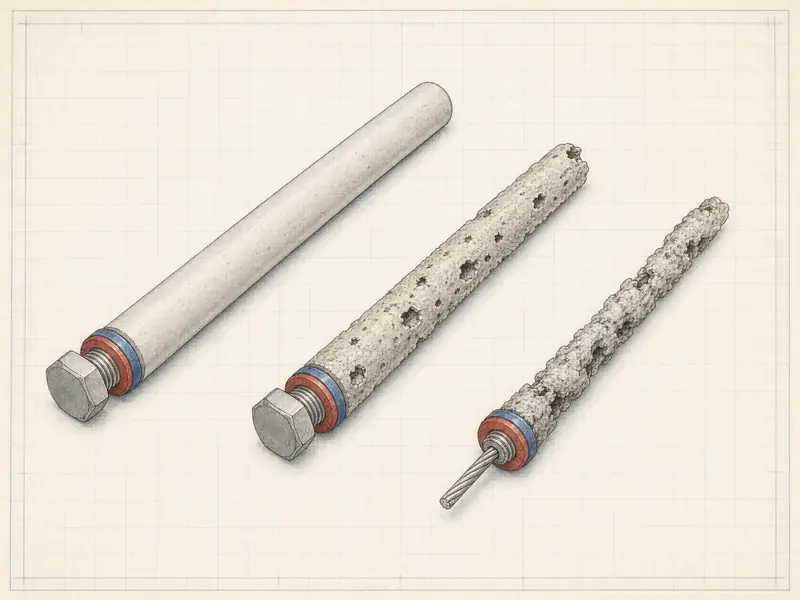
Hot water smells of rotten eggs when hydrogen sulfide forms in the tank, usually from bacteria reacting with the magnesium anode rod. Penn State Extension says an aluminum anode should end the odor while still protecting the tank. A. O. Smith's alternative is a zinc rod, and for strong odors a 140°F setting paired with mixing valves. Never leave the anode out: that voids the warranty.
If the cold water smells too, the gas is coming from the well. Testing comes first, then treatment matched to the level.
When is a water heater not worth fixing?
A water heater is not worth fixing when the tank itself leaks, when flooding has reached its controls, or when it is old and needs an expensive part. A. O. Smith's manuals say a heater whose controls were submerged must be replaced. The tank eventually leaks from normal corrosion once the anode is used up.
Age is the next test. DOE puts storage tanks at 10–15 years and tankless units at about 20 (DOE Energy Saver, archived). ENERGY STAR suggests replacing a tank that is more than 10 years old before it fails (ENERGY STAR). A thermostat, element, valve or anode on a younger heater is usually worth replacing.
For scale, DOE's 2024 rulemaking used average installed costs of $1,578 for a gas storage heater and $1,855 for an electric one meeting the 2029 standard (Federal Register). Your quotes will vary.
| Symptom | Likely causes | Owner check | Pro job |
|---|---|---|---|
| No hot water (gas) | Gas off, pilot out, thermopile, gas control | Gas valve, status light, relight per label | Thermopile, gas control, FVIR lockout |
| No hot water (electric) | Breaker, high-limit trip, upper element | Breaker, reset button with power off | Element and thermostat testing |
| Leak | Fitting, drain valve, T&P valve, corroded tank | Dry and trace the water, close supply | Valve or tank replacement |
| Popping, rumbling | Sediment | Drain and flush | Heavy scale, element replacement |
| Rotten-egg smell | Anode reaction or well hydrogen sulfide | Hot vs cold smell test | Anode swap, disinfection, well treatment |
Sources and scope
This index condenses the four Fix guides, which rest on maker manuals (A. O. Smith, Rinnai, American Water Heater), Penn State Extension, ENERGY STAR, archived DOE Energy Saver pages and DOE's May 2024 final rule, each checked in October 2026. Not included: repair price quotes, brand reliability rankings and forum fixes.
Frequently asked
Why did my water heater stop working suddenly?
Sudden failures usually come from a tripped breaker, a pilot that went out, a high-limit switch that tripped, or a tankless unit that lost power or gas. Check those before suspecting a major part. If none applies, a thermopile, element or control board may have failed.
How do I reset my water heater?
On an electric tank, turn off the breaker, remove the upper access cover and press the red high-limit button. On the A. O. Smith gas tank, a reset button behind the outer door is part of the troubleshooting steps after three failed lighting tries; the maker says never to disable the FVIR switch. For a tankless unit, read the error code in the manual first.
Can you fix a water heater yourself?
Owners can usually check breakers, relight a pilot per the label, flush a tank and test the relief valve lever. Gas parts, venting, 240 V wiring and tank replacement belong with a licensed plumber, electrician or gas fitter, and a replacement commonly needs a permit.
Why is my water heater not heating fully?
Lukewarm water usually means a failed lower element on an electric tank, sediment, a broken mixing valve in a fixture, or a heater too small for the demand. A melted dip tube can cause it on a newly installed tank.
How do I know if my water heater is going out?
Signs include rusty hot water, water around the base, rumbling that returns soon after flushing, and age past 10 years. A tank seeping from its body needs replacing.
Should a leaking water heater be turned off?
Yes. Kill the heat source first, then shut the water off at the supply valve. That stops heating an emptying tank and limits the water damage.
Start over at the water heater type index